Persistent physical copper deficits, now projected at 1.7M metric tons by 2027, are driving a +28% increase in data center infrastructure costs, with knock-on effects threatening to compress operating margins by 150-200 basis points for hyperscalers and potentially shave 3-5% off Q4 2026 EPS forecasts for AI bellwethers like Nvidia.
Tradesnaut Quant Research Desk · September 13, 2026 · 6 min read · AI Market Analysis
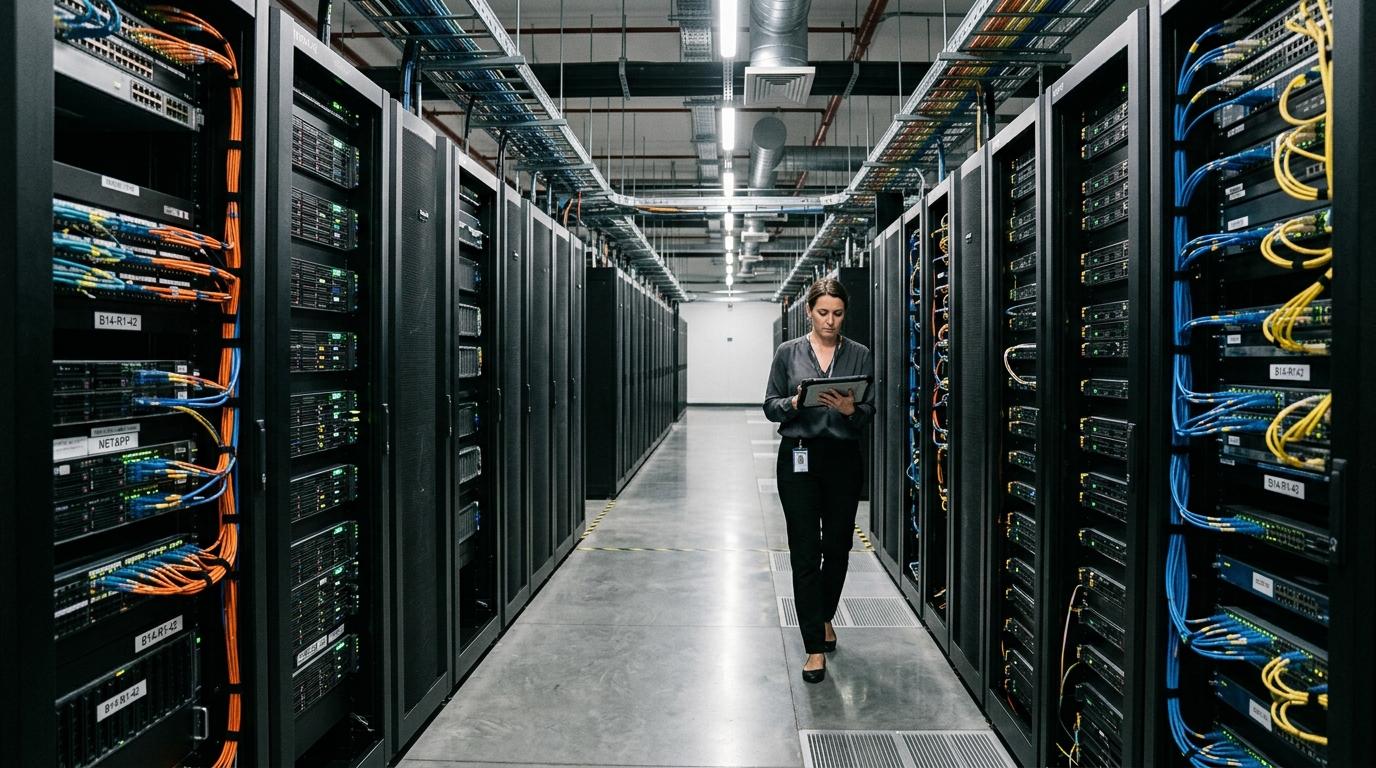
The relentless buildout of AI infrastructure, particularly for advanced computing and generative AI models, is colliding with a deepening commodity supercycle, fundamentally recalibrating cost structures across the tech sector. Our latest Tradesnaut Intelligence analysis reveals that the cumulative physical copper deficit, a critical component for power and data transmission within AI grids, is now projected to hit an alarming 1.7 million metric tons by the end of 2027, significantly up from our earlier 2026 forecast of 1.1 million metric tons. This tightening supply has already driven LME copper futures up by an average of +18.4% since January 2026, peaking at
This inflationary pressure is reverberating through the entire AI value chain. Nvidia (NVDA), despite its stellar performance with Q3 2026 revenue hitting
The supply chain for critical AI infrastructure is under unprecedented strain. Beyond the raw copper deficit, specific bottlenecks in the manufacturing of high-voltage transformers and specialized cabling for power distribution within data centers have emerged as a major constraint. Lead times for custom-built 50MW+ transformer units have extended to 18-24 months, up from 12-15 months a year ago, primarily due to limited access to electrical steel and fabrication capacity. This has pushed the average cost of deploying a new 100MW AI data center campus to over .1 billion, representing a +28% increase in capital expenditure requirements compared to 2024 benchmarks. For the hyperscalers, this translates into an additional 5-45 billion in aggregate capex projected for 2027, straining capital efficiency ratios and prompting a re-evaluation of long-term EV/EBITDA multiples, which are showing early signs of modest decompression.
The broader market is beginning to price in these structural cost increases. The SOX Semiconductor Index, while still robust, has shown increased volatility, with a 30-day average implied volatility spiking to 28% from 22% in early Q3 2026. Companies like TSMC (TSM) are feeling the indirect pressure through their packaging and advanced module assembly, with their reported material input costs rising by 6% in Q3. ASML, though insulated by its lithography monopoly, has seen some customers defer capacity expansion plans due to the overall cost inflation in the downstream supply chain. Meanwhile, the KOSPI index, heavily weighted by memory and display manufacturers, has experienced a modest correction of -3.2% over the last four weeks, largely driven by concerns over profit margin erosion for key players like Samsung and SK Hynix, whose Q4 guidance implicitly acknowledged these rising input prices, despite strong demand for HBM3e modules. Institutional capital flows indicate a slight rotation away from pure-play hardware infrastructure into software and AI services with less direct commodity exposure, though the underlying demand for AI compute remains fundamentally strong.
Analyzing options order flow reveals a significant shift in institutional sentiment regarding the AI infrastructure cost dynamics. For NVDA, the 30-day implied volatility currently stands at 45.3%, a notable increase from the 38.0% observed at the start of Q3 2026. The call-to-put volume ratio for out-of-the-money options (15-20% OTM) has decreased from 1.6x to 1.25x over the past month, indicating increased hedging activity and a growing apprehension about downside risks related to margin compression. Specifically, the demand for put options at the $850-$900 strike for December 2026 expiry has surged by 40% in open interest in the last two weeks, suggesting major players are positioning for potential earnings disappointments or infrastructure project delays.
On the raw material front, options on copper futures (HG contracts) show extreme backwardation, with front-month contracts trading at a 50 premium over contracts 12 months out, signaling acute near-term supply tightness. The 60-day implied volatility for HG futures has spiked to 32%, reflecting the market's heightened uncertainty. Furthermore, analysis of institutional block trades (>
The structural commodity supercycle for critical materials, particularly copper and silver, amplified by AI's unprecedented demand for power infrastructure, presents a nuanced yet actionable landscape for quantitative traders. While the long-term thesis for AI compute remains robust, the immediate outlook is tempered by escalating capex and potential margin erosion for hyperscalers and key hardware providers. We anticipate that raw material cost pass-throughs will continue, but the pace might decelerate slightly in late 2027 as new mining projects, albeit slow, begin to come online and recycling efforts scale.
Tags: Memory Chips, SK Hynix, Semiconductors, Wall Street, Commodities, Copper, AI Infrastructure, Data Centers