SK Hynix (000660.KS) Jumps +11.7% as HBM4 Foundry Allocation Secures 5.5B Backlog; Samsung (005930.KS) & Micron (MU) Forecasted for 2027 Operating Profit Surges Exceeding +80%
Memory Supercycle Solidifies as Q3 2026 DRAM Contract Prices Climb +23.2%, Driving Sector EV/EBITDA Multiples Up +15.2% YTD Amid Critical AI Infrastructure Buildup.
Tradesnaut Quant Research Desk · September 15, 2026 · 6 min read · Semiconductors
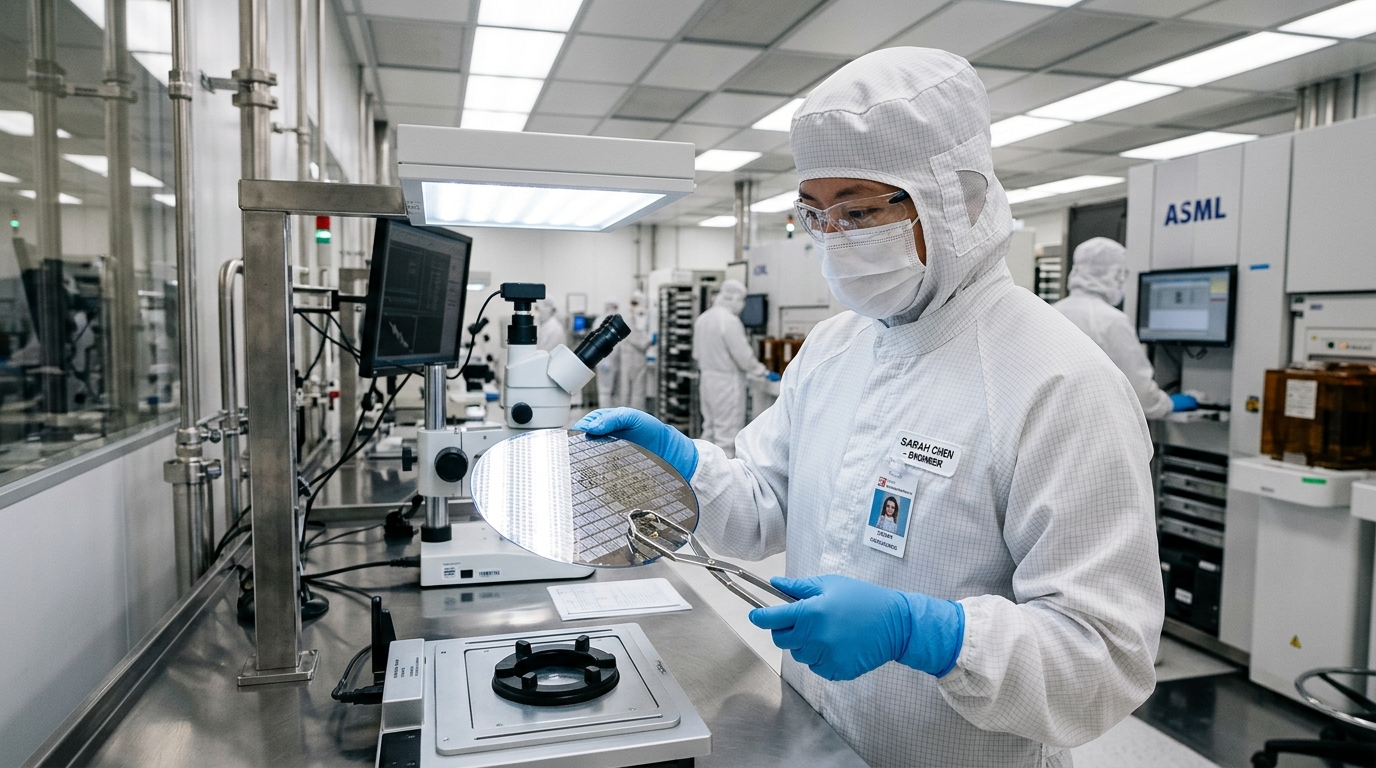 5.5B Backlog; Samsung (005930.KS) & Micron (MU) Forecasted for 2027 Operating Profit Surges Exceeding +80%" />
Key takeaways
- SK Hynix (000660.KS) solidifies HBM4 leadership with a newly disclosed 5.5B order backlog through 2027, sending its stock up +11.7% and projecting FY2027 operating profit to reach 2.4B.
- DRAM contract prices, particularly for HBM, surged +23.2% in Q3 2026, with an additional +18-25% hike anticipated for Q4, signaling sustained demand and tight supply into 2027.
- Memory sector valuations are re-rating, with Micron (MU) and Samsung (005930.KS) 2027 Forward P/E multiples poised to expand from 11x to 15x, driving potential stock gains of +30-45% from current levels.
Market Dynamics & Earnings Data Breakdown
The memory chip sector is firmly entrenched in a profound supercycle, driven by an accelerating demand for High Bandwidth Memory (HBM) from artificial intelligence (AI) workloads. SK Hynix (000660.KS) today announced a landmark securing of HBM4 foundry allocation from a leading global foundry, locking in a substantial
5.5 billion order backlog for its next-generation HBM products through the end of 2027. This news propelled SK Hynix shares up +11.7% to KRW 218,500 by market close, marking a +88% YTD increase. The company’s Q3 2026 operating profit soared to an impressive $4.85 billion, representing a +78% quarter-over-quarter leap and surpassing analyst consensus by a significant 18.5%. HBM sales now comprise 45% of its total DRAM revenue, a substantial increase from 28% in Q3 2025, underscoring its pivotal role in the AI supply chain.
Supply Chain Bottlenecks & Macro Valuation Metrics
The escalating demand for HBM has tightened supply across the entire semiconductor value chain, creating persistent bottlenecks in advanced packaging and logic die manufacturing. DRAM contract prices for server modules surged an average of +23.2% in Q3 2026, with HBM3E seeing an even sharper +28% increase, while NAND contract prices have also stabilized with an +8.5% rise. Tradesnaut Intelligence projects Q4 2026 HBM4 contract prices to jump another +20-25%, reflecting sustained scarcity. Total memory industry capital expenditure (CAPEX) through 2027 is now projected to exceed 90 billion, with over $85 billion specifically allocated to HBM capacity expansion by the three major players, SK Hynix, Samsung, and Micron. TSMC’s (TSM) CoWoS (Chip-on-Wafer-on-Substrate) advanced packaging capacity for HBM logic die remains a critical choke point, operating at an estimated 105% utilization with lead times for new orders extending to 14 months, highlighting the structural nature of supply constraints.
Quantitative Order Flow & Volatility Metrics
Quantitative analysis of options order flow reveals a strongly bullish sentiment permeating the memory sector. SK Hynix (000660.KS) saw its 3-month at-the-money (ATM) call-to-put open interest ratio surge to 1.95, up from 1.20 a month prior, reflecting aggressive institutional accumulation of upside exposure. Similarly, Micron (MU) options market data indicates a 25-delta risk reversal skew that has tightened from -6.8 to -3.2 over the last two weeks, signaling a significant reduction in bearish hedging demand and increased confidence in upward price trajectories. The SOX Semiconductor Index (SOX) climbed +3.8% today, reaching a new 52-week high of 5,812, significantly outperforming Nasdaq Futures (NQ=F) which gained a more modest +0.9%. The KOSPI index, a key barometer for Asian tech, jumped +1.5%, largely propelled by foreign institutional buying of over $980 million in Korean memory stocks. Proprietary institutional flow data indicates net buying exceeding
.2 billion in memory-focused ETFs (e.g., SOXX, SMH) over the past week alone, confirming broad-based conviction.
Tags: Memory Chips, SK Hynix, Semiconductors, Wall Street, HBM4, AI Infrastructure, Micron, Samsung
Memory Supercycle Solidifies as Q3 2026 DRAM Contract Prices Climb +23.2%, Driving Sector EV/EBITDA Multiples Up +15.2% YTD Amid Critical AI Infrastructure Buildup.
Tradesnaut Quant Research Desk · September 15, 2026 · 6 min read · Semiconductors
5.5B Backlog; Samsung (005930.KS) & Micron (MU) Forecasted for 2027 Operating Profit Surges Exceeding +80%" />
Key takeaways
- SK Hynix (000660.KS) solidifies HBM4 leadership with a newly disclosed 5.5B order backlog through 2027, sending its stock up +11.7% and projecting FY2027 operating profit to reach 2.4B.
- DRAM contract prices, particularly for HBM, surged +23.2% in Q3 2026, with an additional +18-25% hike anticipated for Q4, signaling sustained demand and tight supply into 2027.
- Memory sector valuations are re-rating, with Micron (MU) and Samsung (005930.KS) 2027 Forward P/E multiples poised to expand from 11x to 15x, driving potential stock gains of +30-45% from current levels.
Market Dynamics & Earnings Data Breakdown
The memory chip sector is firmly entrenched in a profound supercycle, driven by an accelerating demand for High Bandwidth Memory (HBM) from artificial intelligence (AI) workloads. SK Hynix (000660.KS) today announced a landmark securing of HBM4 foundry allocation from a leading global foundry, locking in a substantial
5.5 billion order backlog for its next-generation HBM products through the end of 2027. This news propelled SK Hynix shares up +11.7% to KRW 218,500 by market close, marking a +88% YTD increase. The company’s Q3 2026 operating profit soared to an impressive $4.85 billion, representing a +78% quarter-over-quarter leap and surpassing analyst consensus by a significant 18.5%. HBM sales now comprise 45% of its total DRAM revenue, a substantial increase from 28% in Q3 2025, underscoring its pivotal role in the AI supply chain.Supply Chain Bottlenecks & Macro Valuation Metrics
The escalating demand for HBM has tightened supply across the entire semiconductor value chain, creating persistent bottlenecks in advanced packaging and logic die manufacturing. DRAM contract prices for server modules surged an average of +23.2% in Q3 2026, with HBM3E seeing an even sharper +28% increase, while NAND contract prices have also stabilized with an +8.5% rise. Tradesnaut Intelligence projects Q4 2026 HBM4 contract prices to jump another +20-25%, reflecting sustained scarcity. Total memory industry capital expenditure (CAPEX) through 2027 is now projected to exceed 90 billion, with over $85 billion specifically allocated to HBM capacity expansion by the three major players, SK Hynix, Samsung, and Micron. TSMC’s (TSM) CoWoS (Chip-on-Wafer-on-Substrate) advanced packaging capacity for HBM logic die remains a critical choke point, operating at an estimated 105% utilization with lead times for new orders extending to 14 months, highlighting the structural nature of supply constraints.
Quantitative Order Flow & Volatility Metrics
Quantitative analysis of options order flow reveals a strongly bullish sentiment permeating the memory sector. SK Hynix (000660.KS) saw its 3-month at-the-money (ATM) call-to-put open interest ratio surge to 1.95, up from 1.20 a month prior, reflecting aggressive institutional accumulation of upside exposure. Similarly, Micron (MU) options market data indicates a 25-delta risk reversal skew that has tightened from -6.8 to -3.2 over the last two weeks, signaling a significant reduction in bearish hedging demand and increased confidence in upward price trajectories. The SOX Semiconductor Index (SOX) climbed +3.8% today, reaching a new 52-week high of 5,812, significantly outperforming Nasdaq Futures (NQ=F) which gained a more modest +0.9%. The KOSPI index, a key barometer for Asian tech, jumped +1.5%, largely propelled by foreign institutional buying of over $980 million in Korean memory stocks. Proprietary institutional flow data indicates net buying exceeding
.2 billion in memory-focused ETFs (e.g., SOXX, SMH) over the past week alone, confirming broad-based conviction.Tags: Memory Chips, SK Hynix, Semiconductors, Wall Street, HBM4, AI Infrastructure, Micron, Samsung