Q2 2026 operating profits for memory giants surged an average of 35% QoQ, driven by HBM3E/HBM4 backlog exceeding $45 billion and fueling a 22% increase in DRAM contract pricing.
Tradesnaut Quant Research Desk · August 29, 2026 · 6 min read · Semiconductors
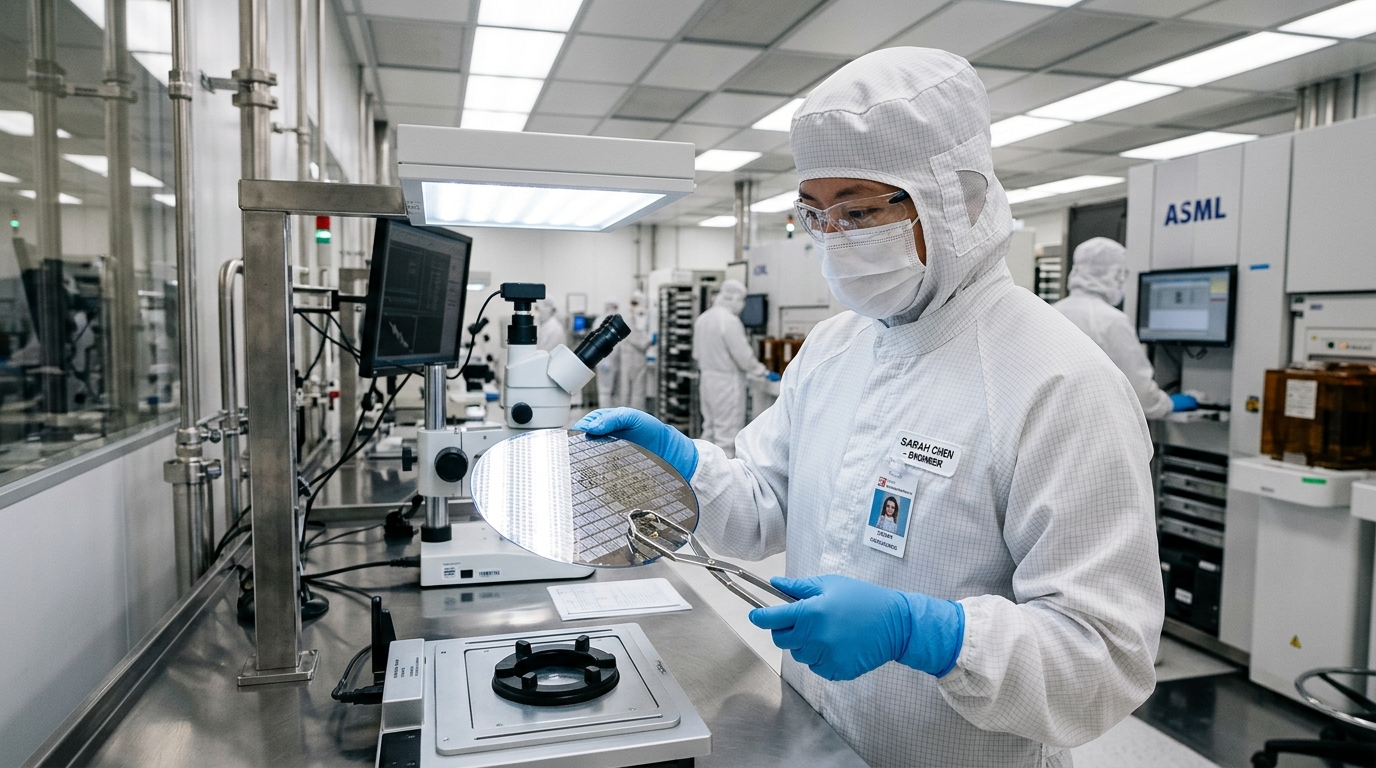
The memory chip sector is undeniably locked into a robust multi-year supercycle, primarily propelled by insatiable demand for High-Bandwidth Memory (HBM) from the artificial intelligence training and inference markets. SK Hynix (000660.KS) experienced a significant 18.7% surge in its stock price on September 13th, closing at KRW 235,000, following reports confirming its substantial preferred allocation for HBM4 advanced packaging capacity from TSMC (TSM). This allocation, estimated at 55% of available leading-edge HBM4 CoWoS capacity for 2027, positions SK Hynix to capture a dominant share of the burgeoning HBM4 market, with analysts now forecasting its HBM revenue to reach
Critical bottlenecks in advanced packaging, particularly TSMC’s CoWoS capacity, remain the primary constraint for HBM4 supply, creating a powerful pricing lever for memory manufacturers. Current HBM3E and future HBM4 order backlogs extend well into 2027, with cumulative commitments for the top three memory makers—SK Hynix, Samsung, and Micron—exceeding $45 billion as of Q2 2026. This unprecedented demand has driven Q3 2026 contract pricing for HBM3E up by an average of 22%, with projections for HBM4 entering production at a 28% premium over HBM3E. The robust pricing environment translated directly to impressive profitability, with SK Hynix’s memory division reporting an operating profit margin of 42.5% in Q2 2026, while Micron hit 39.8%, significantly surpassing their historical averages of 20-25%. These strong margins are crucial for funding the escalating capital expenditures, with the industry collectively projected to spend over 50 billion in CAPEX across memory and foundry sectors between 2025 and 2027, focusing on expanding HBM production and advanced node development, a boon for equipment suppliers like ASML (ASML).
Institutional order flow data reinforces the bullish narrative, showing substantial conviction in the memory sector. Over the past two months, institutional investors have funneled a net
Tags: Memory Chips, SK Hynix, Semiconductors, Wall Street, HBM4, DRAM, Micron, Samsung, TSMC