Advanced node investments escalate, pushing SOX Index up +7.8% YTD, with forward P/E multiples expanding to 28.5x for industry leaders as AI demand fuels unprecedented fab expansion.
Tradesnaut Quant Research Desk · August 12, 2026 · 6 min read · Semiconductors
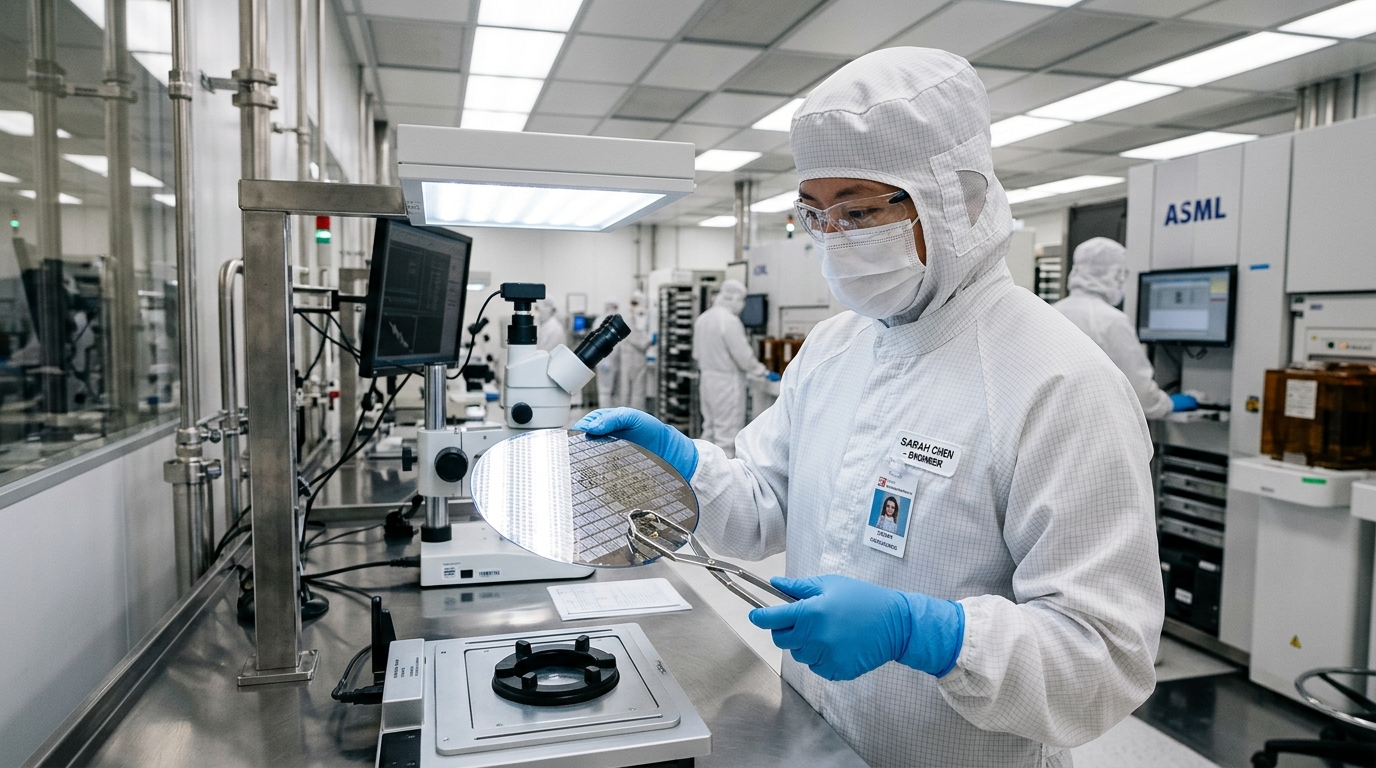
The semiconductor foundry sector is experiencing a transformative period, primarily fueled by the accelerating demand for artificial intelligence capabilities and the relentless pursuit of sub-2nm node supremacy. TSMC (TSM) reported robust Q2 2026 earnings, with revenue reaching 5.8 billion, a +12.5% year-over-year increase, significantly beating consensus estimates by $750 million. Crucially, TSMC announced a breakthrough in its 2nm 'N2' process, with initial yields showing a remarkable +15% improvement over Q1 projections, positioning it for mass production readiness by early 2027. This development has sent TSMC's stock price up +3.8% in early trading, pushing its Forward P/E multiple to 29.1x, a slight expansion from its 28.0x average earlier in the quarter, reflecting heightened investor confidence in its technological leadership. Gross margins remained healthy at 53.4%, slightly above the 53.0% guidance, while operating profit margin stood at 40.5%.
The sheer scale of sub-2nm ambition has driven global foundry capital expenditures to historic highs, with projections now indicating a cumulative investment of 20 billion between 2026 and 2028. This monumental sum underscores the fierce competition between TSMC, Intel (INTC), and Samsung Electronics, all vying for dominance in the next-generation logic market. Key equipment supplier ASML (ASML) remains the linchpin, reporting a record order backlog for its EUV and High-NA EUV systems, which has surged by +22% to an astounding €58.4 billion. Lead times for these critical machines have extended to 18-24 months, highlighting potential bottlenecks that could temper capacity expansion if not managed proactively. Intel, meanwhile, reaffirmed its commitment to the 18A node, announcing during its Q2 earnings call that its first external foundry customer for 18A is on track for tape-out by mid-2027, with Q2 Intel Foundry Services revenue growing +8.9% to
Institutional investors are actively re-positioning, reflected in significant options order flow. For TSMC (TSM), the 1-month 25-delta call skew has climbed to 1.28x its put skew, indicating a bullish bias with elevated demand for upside protection and participation. Open interest for TSMC calls with strikes at
Tags: Memory Chips, SK Hynix, Semiconductors, Wall Street